The Best Natural Protein Foods to Eat
| By

Overview
Protein from foods is necessary for cell regeneration, but some protein foods are not considered healthy foods to eat. Animal protein, for instance, can contribute to high levels of cholesterol associated with heart disease. In addition, some sources of animal protein can lead to obesity. The best natural protein foods to eat are foods that are low in fat or fat-free and foods that are rich in healthy omega-3 fatty acids.
Meat

The best natural protein foods in the meat category are meats that have little or no fat on them. Lean meat choices include eye round steak, top round steak, bottom round steak, round tip, top loin, top sirloin, chuck shoulder and arm roasts, pork loin, pork tenderloin, center loin, ham and chopped meat that is 90 percent lean or higher. Chicken without the skin and with all fat removedis best, as is turkey without skin or fat.
Fish and Seafood

Contrary to popular belief, shellfish such as clams, oysters, scallops and mussels do not have a high cholesterol content, but they are high in protein. Many fish are high in omega-3 fatty acids as well. Canned salmon, smelts and sardines also supply calcium. Fresh fish also contains minerals and certain vitamins, and it has a low fat and sodium content.
Due to the methylmercury content of certain fish and the risk of damage to the nervous system of a fetus when these fish are consumed by the mother, the best natural protein fish foods for a pregnant woman to eat are fish that contain less methylmercury than others. These foods include shrimp, tuna (canned light), salmon, pollock and catfish
Due to the methylmercury content of certain fish and the risk of damage to the nervous system of a fetus when these fish are consumed by the mother, the best natural protein fish foods for a pregnant woman to eat are fish that contain less methylmercury than others. These foods include shrimp, tuna (canned light), salmon, pollock and catfish
8 Foods Rich in Biotin

Biotin is a water soluble B vitamin that is essential for bodily health. It helps the body to process fat and sugars, and it helps form a critical process in fat production in the body. Since biotin is so involved with creating the building blocks for basic body functions at a cellular level, it's very important to have a sufficient supply of this nutritional element.
Biotin is particularly necessary for pregnant women. When an expecting mother has an inadequate supply of biotin in her diet, certain conditions might be manifested in both the adult and the infant, where skin discolorations can indicate a biotin deficiency, which can have some negative effects.
National health experts recommend 30 micrograms of biotin a day for pregnant and lactating women. Because this is a water soluble compound, it can't easily be saved in the body long-term, so it's important to get it into a regular diet.
Here are some of the top choices for a regular intake of biotin.
- Swiss Chard - This green plant is a top producer of biotin. It's also a great part of a healthy salad choice that will provide antioxidants and help balance a diet.
- Carrots - Carrots contain a supply of biotin, as well as beta-carotene, which helps with general eye health.
- Almonds, Walnuts and Other Nuts - A variety of nuts supply the body with biotin, and are a portable way to get proteins and other nutrition into a diet.
- Chicken Eggs - Eggs are a source of biotin, although it's important to note that eating a diet unusually high in egg whites can actually be a catalyst for a biotin deficiency. That's because a specific element in the egg whites binds to the element and prevents it from being distributed properly. It's important to always consider how eggs are added to a diet in order to prevent this kind of vitamin deficiency.
- Goat's Milk and Cow's Milk - In addition to calcium and other healthy items, milks are also a source of biotin for the body.
- Berries and Fruits - Some types of berries, including strawberries and raspberries, can get the body a significant amount of biotin. These fruits also provide antioxidants and health benefits, as part of a natural, whole food approach to eating. Experts recommend buying local and organic when possible.
- Halibut - In addition to being "brain food," this fish also contains large amounts of biotin. Think about adding it as an occasional entre.
- Vegetables - Other vegetables like onions, cucumbers and cauliflower all contain biotin, and are healthy ways to fit this vitamin into meals.
Learning more about how to balance a diet and include essential vitamins and minerals will help each individual stay stronger and healthier over time, without having to rely on more extensive solutions for supplementing a diet that may be inadequate.
Below is a list of carbohydrate foods list.
1. Potatoes:
Potatoes also contain good amounts of carbohydrates in the form of starch. 1 cup serving of boiled potatoes contains 31 grams of carbohydrates and a cup of mashed potatoes include 36 grams of carbs. Hash browns have the highest amount of carbohydrates with 35% while french fries contain 27% of carbs. Potatoes are also rich in potassium. One medium sized potato has just 110 calories and is completely free of sodium, cholesterol and fat which make them a downright undeniable for any diet. They also contain Vitamin C, Vitamin B6, fibers and iron.2. Whole grains:
Whole grains are an excellent source of complex carbohydrates and dietary fiber. Almost every grain contains high levels of complex carbs and each whole grain contains bran and endosperm which provide different nutrients and other components that contribute to the health. Some grains that contain carbohydrates include rice, corn, wheat, barley, oats and buckwheat. Brown rice contains 38 mg of carbohydrates per serving. Not only does brown rice provide our body with energy boosting carbohydrates but it also contains a good amount of fiber which aids digestion. Whole grains have similar amounts and sometimes more disease fighting chemicals than many typical fruits and vegetables. Whole grain improves digestive heath and help with weight management.3. Citrus fruits:
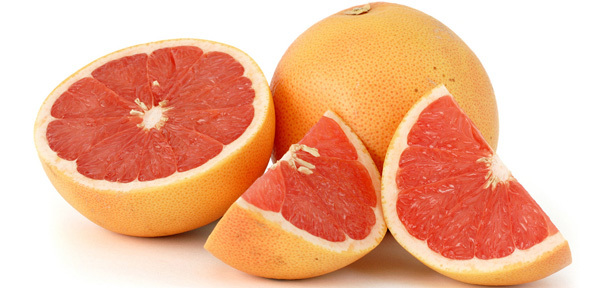
It is well known that citrus products are a good source of vitamins, minerals and dietary fibers which contribute to healthy growth, development and nutritional wellbeing of the body. The main energy yielding nutrient in citrus fruits is carbohydrates. Citrus contains simple carbohydrates, fructose, glucose and sucrose as well as citric acid which provide us with energy. A medium sized grapefruit contains 18.5 carbs and 2.7 grams of fiber. 151 grams of oranges contain 14 g of carbohydrates.
4. Berries:
Sweet and juicy berries are rich in pro-anthocyanin natural pigments and antioxidants. Berries like strawberries, blueberries and blackberries also contain a significant amount of carbs. Both blackberries and strawberries contain 14 grams of carbs while blueberries have a higher count of carbohydrates of 21 grams for 1 cup. These berries also help to get rid of harmful oxygen from the body and protect the body against cancer and other infections.5. Watermelon:
6. Apple:

7. Sweet potato:
Sweet potatoes provide us with ample carbohydrates to give us energy. An eight ounce of sweet potato contains 240 calories and 55 grams of carbohydrates. Sweet potato is low in sodium, and very low in saturated fat and cholesterol. It is a good source of Dietary fiber, Vitamin B 5, Potassium, Vitamin A, vitamin C and manganese.8. Nuts and legumes:
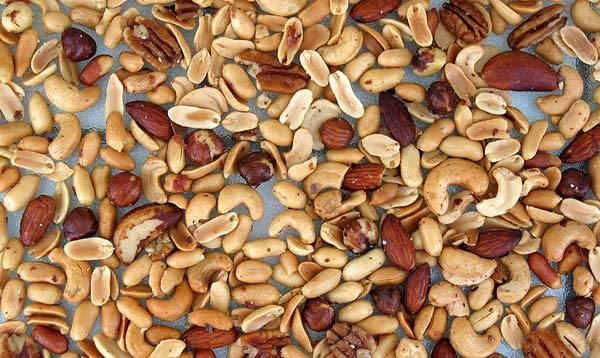
Legumes rank next in importance to cereals as good food sources. They contain more proteins than any other vegetable and thus are akin to animal meat in food value. Just like grains, nuts and legumes are also rich in complex carbohydrates. Apart from carbohydrates, they also contain proteins, omega 3 fatty acids and a range of vitamins and minerals. They are also high in fiber which aids in digestion and helps in maintaining healthy weight. Nuts and legumes which contain a good amount of proteins are lentils, chick peas, split peas, soybeans, kidney beans and pinto beans.
[ Read: Foods Rich in Serotonin ]
9. Cereals:
Cereals are a healthy way to start a day but measure the amount and be aware of the carb content. Most of the ready to eat cereals contain a good amount of sugar even though they claim to be whole grain. These cereals contain 98% of carbohydrates in contrast to homemade cereals like oats or rye which contain 13-15% of carbohydrates. Other nutrient in cereals includes fiber, protein, zinc, iron and B vitamins. Oats are the healthiest option in breakfast to start the day.10. Dry fruits:
[ Read: Selenium Rich Foods List ]
11. Bananas:
Bananas are high in fiber and potassium and one banana contains 24g carbs. Bananas also contain the highest amount of sugar than any other fruit. They are also rich in vitamin B6, vitamin C and fiber. Include at least one banana in your daily breakfast or you can add it to your cereals, fruit salads, yoghurts and milk shakes.12. Bread:

[ Read: Foods Rich in L-Arginine ]
13. Pasta:
White pasta and semolina pasta are high in carbs and glycemic acid. Try to use quinoa pasta or wheat pasta instead and use some healthy vegetables as toppings. Three cups of spaghetti pasta provides our body with 97g of carbohydrates. Whole wheat pasta is also enriched with Vitamin B and iron which adds up to its nutritional value.14. Green Vegetables:
Several green vegetables are also rich in carbs and they also contain important minerals and vitamins. While you should minimize the consumption of simple carbohydrates, the low levels found in green vegetables are not harmful because of their high content of nutrients. Peas, acorn squash and asparagus can contain upto 30 grams of carbohydrates. Other vegetables include beans, okra, cucumbers, zucchini and spinach.
[ Read: High CaloriesFood ]
